Emotional Impact of Hair Loss
Hair loss is a condition that goes beyond physical or aesthetic issues. For many, hair represents an extension of their identity, a symbol of confidence and self-esteem.
ler mais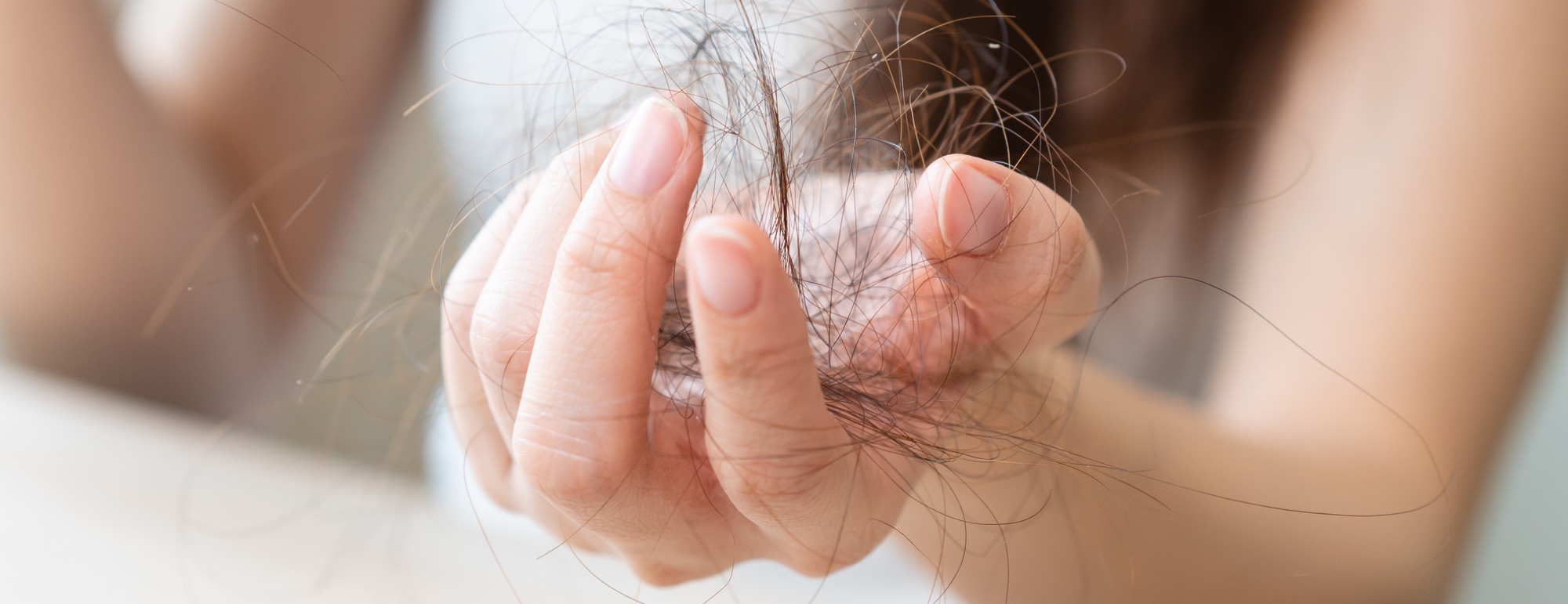
End-of-summer hair loss is a seasonal telogen effluvium that accelerates the transition of the strands into the resting and shedding phase.
Summer is the reigning champion of emotional well-being and stunning Instagram photos. But when it comes to an end, it leaves your mind collecting unforgettable sunsets and refreshing dips… and your scalp going through a real survival test: end-of-summer hair loss!
Keep reading to understand its causes, discover the most effective practical solutions, and tell the difference between seasonal hair loss and a more serious hair problem.
Yes. In many cases, end-of-summer hair loss is perfectly normal, because hair is also influenced by the seasons of the year — and the hottest months can contribute to a seasonal telogen effluvium accelerated by solar radiation and thermal stress. The result? Between September and November, you may start to notice a larger amount of hair falling out. However, this doesn't mean you should completely ignore the signs:
The answers to these questions help clarify whether you're dealing with a simple case of end-of-summer hair loss or something that deserves medical assessment.
There are several factors that explain this phenomenon.
Each strand of hair goes through three main phases:
During summer, a larger percentage of strands may enter the telogen phase. A few months later, those hairs shed naturally — and that mechanism is behind many cases of end-of-summer hair loss.
Love a good beach day? Well, your scalp doesn't always share the same enthusiasm. That's because UV radiation can cause:
And when the hair becomes more weakened, it becomes more prone to breakage and shedding. That's why end-of-summer hair loss may reflect weeks of sun exposure without proper protection.
Dips in the sea and pool are practically a must during summer, but be careful — salt and chlorine can:
Summer also brings plenty of heat and sweat. And when the scalp stays damp for long periods, a less favourable environment for hair health can arise, characterised by:
This environment can "suffocate" the hair follicles, making the strands more vulnerable and contributing to end-of-summer hair loss.
Do you tend to overindulge during the holidays? Different schedules, less balanced meals that lead to a lower intake of essential nutrients (such as iron, zinc, biotin, and protein) can be reflected in hair health and make end-of-summer hair loss more evident.
Curiously, the problem isn't always in the holidays themselves. Very often, hair loss happens when returning to work and the everyday responsibilities, due to increased stress levels.
Not all end-of-summer hair loss is seasonal. Generally speaking, it's normal to lose between 50 and 100 strands a day — the red flag comes when the intensity, duration, or pattern of the loss no longer matches a temporary response of the body.
Have you spotted any warning sign? Has your end-of-summer hair loss not eased up after a few months, or have you noticed significant changes in hair density? In that case, you should see a specialist — an accurate diagnosis makes it possible to understand whether it is a seasonal and temporary hair loss or a condition that requires specific treatment. In any case, remember: the sooner you act, the greater the chances of preserving the health and density of your hair!
Prevention remains one of the best strategies to reduce end-of-summer hair loss. Follow these tips!
Go for a hair-friendly diet that includes eggs, oily fish, nuts, legumes, green vegetables, and fresh fruit.
Use conditioners, masks, or serums to hydrate the hair regularly, because the strands need to recover after weeks at the beach and pool.
And if end-of-summer hair loss is still bothering you, book a hair check-up. The sooner the cause is identified, the more effective the treatment can be!
Still have questions about end-of-summer hair loss? Read the answers to the most common questions from our patients!
Exposure to the sun, salt, chlorine, heat, and changes in diet can contribute to end-of-summer hair loss. These factors can weaken the strands and influence the hair growth cycle, causing many strands to fall out at the same time, weeks or months after exposure.
End-of-summer hair loss usually lasts from a few weeks to a few months. In most cases, the hair cycle gradually returns to normal without the need for invasive treatments.
Yes. Telogen effluvium is one of the most frequent causes of end-of-summer hair loss, leading to a diffuse loss of hair a few months after a triggering factor.
The effluvium associated with end-of-summer hair loss is diffuse, spread out, and abrupt. Androgenetic alopecia, in turn, is gradual and causes localised bald patches on the frontal hairline or crown, requiring specific hair treatments or permanent hair transplants.
No. Washing your hair daily with the right products does not cause hair loss. The strands that fall out during washing were already at the end of the life cycle.
Not always. End-of-summer hair loss is usually temporary. However, if there is a family history of alopecia or progressive loss of density, you should seek a specialised assessment.
Foods rich in protein, iron, zinc, B-complex vitamins, and essential fatty acids can help support hair health and reduce end-of-summer hair loss.
Yes. Depending on the cause of end-of-summer hair loss, topical treatments, nutritional supplementation, or personalised medical protocols may be recommended. The most important thing is to identify the origin of the problem, since a temporary seasonal loss requires a different approach from alopecia or another more persistent hair condition.
If end-of-summer hair loss lasts more than 6 months, causes visible bald patches, or is accompanied by other symptoms, you should consult a hair health specialist.
End-of-summer hair loss is, in most cases, temporary. However, when the hair loss drags on or starts to affect your confidence, it's important to act in time. At Master Group, you'll find a specialised team ready to identify the cause of the problem and recommend the most suitable solution. Book your assessment and take the first step towards recovering the health and density of your hair.